From Coffee Farmers to Soccer Coaches: How Web3 Is Quietly Rewiring Communities Worldwide
What is Web3 actually for? What purpose does it serve, at its core? Really!? I was happy to see that Web3's most meaningful impact is about people. It's about solving real human problems, reflecting local needs, and creating systems that help communities thrive. Let me take you on a quick global tour.
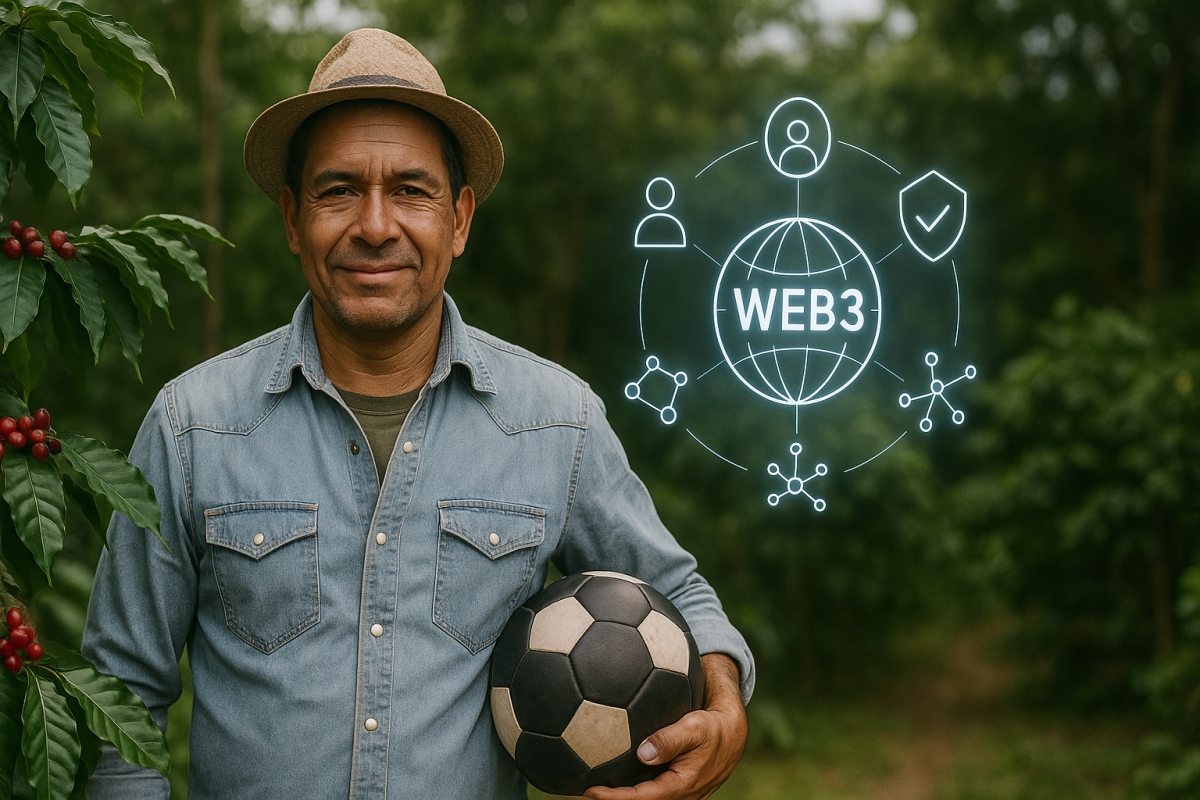
In Honduras, small coffee farmers are using Dimitra's blockchain platform to prove their beans meet European sustainability rules. That traceability lets them sell at better prices and reach bigger markets. In Peru, the Mi Cacao Project is doing something similar for cacao, using blockchain to track quality and connect to global buyers. These systems give farmers credit for their hard work and open doors that were once closed. These are innovative and useful developments.
In South Africa, Bitcoin Ekasi is building a local Bitcoin economy inside a small township. Youth soccer coaches get paid in Bitcoin, and local shops accept it for daily needs like groceries. It's a way to bypass slow, expensive banks and build financial freedom at the community level.
In Kenya, Pezesha is offering microloans to small businesses using blockchain. Youth-led startups can borrow small amounts, matched through a digital platform, with loans paid out in stablecoins. Since 2017, over 20,000 businesses have tapped into this system, creating opportunities that traditional banks overlook.
These examples all show how blockchain adjusts to fit local needs, but they also point to some shared themes: tracking where things come from, making sure people can get the information or tools they need, and letting the community have a say in how things are run.
Furthermore, India is running experiments using blockchain to secure public benefits. I hear that land titles, welfare payments, and digital ID records are being put on blockchain systems to reduce fraud and make sure help reaches the right people. This gives individuals more control over their data and makes government programs more trustworthy.
The EU is building systems to issue blockchain-based diplomas, certificates, and digital IDs. People’s degrees will be stored in a secure digital wallet that any university or employer across Europe can instantly verify. These projects help individuals own and control their digital records without relying on big companies or middlemen.
Through Gitcoin, a global Web3 project, communities pool funds to support public goods like open-source tools, educational resources, and climate projects. Anyone can pitch in a small crypto donation, and projects that attract broad community support get extra matching funds. It's a new, democratic way to fund what people truly value, powered by collective action.
These Web3 initiatives are not by any means a complete picture of what is happening across the world. But as I step back, I see a familiar pattern.
Every major industrial revolution — from the printing press to the steam engine to electricity and the internet — gained global adoption not just because the technology existed, but because it met deep human needs.
The printing press spread because people wanted access to knowledge. Electricity transformed cities because it made life safer and better. The internet exploded because people wanted to connect and share. Web3 is no different: it will thrive only where it serves real people in real ways. Yes, I hear you — cryptocurrency adoption will (unfortunately) also thrive on the basis of pure speculation… but money is money, right?
Yet, as I see it, Web3's potential doesn't come from the technology itself. It comes from what people choose to do with it. Local needs, social challenges, and shared values are what push this technology forward. Whether it's financial inclusion, fairer trade, transparent governance, or community-driven innovation, it's people who shape the purpose of Web3. Web3 is clearly a social shift that should follow what we want to do with it.